
Two people can look at the same bag and see two completely different things.
One sees a practical object. It carries a phone, keys, a wallet, a laptop, or everything needed throughout the day. Naturally, the first question may be: How much does it cost?
The other notices the form before the function. They see the leather, construction, proportions, movement, and details. They want to know who designed it, how it was made, and what inspired it. Above all, they want to understand why it feels different from everything they have seen before.
Neither perspective is wrong. They simply reflect different relationships with value.
One person is looking for a product. The other is looking for a connection.
Some buy a bag.
Price Is a Number. Value Is Recognition.
Every product has a price. Therefore, asking about it is neither inappropriate nor a sign that someone does not understand design. Even an experienced collector wants to know what something costs.
The difference begins after they hear the number.
For one person, price remains the most important information. They compare the bag with other products that serve the same basic purpose. Then, they decide whether it fits their budget, priorities, or idea of what a bag should cost.
Another person hears the same number but sees everything within it. They recognize the original concept, selected leather, pattern development, handwork, time, skill, small-scale production, and rarity.
They do not ignore the price. Instead, they place it in context.
That is the difference between seeing only what something costs and recognizing why it has value.
We Do Not All Look for the Same Thing
Some people want a bag that feels familiar, practical, and easy to combine. They may prefer a shape they already understand or a name they recognize.
After all, there is comfort in the familiar.
A familiar design requires little explanation. It belongs to a visual language that society has already accepted. We know how to wear it, what it communicates, and how others may perceive it.
There is nothing wrong with choosing that comfort. For some people, fashion is simply not where they want to take a risk or express something deeply personal. Their bag needs to perform its function and fit naturally into their life.
Others, however, search for something less expected.
They want an object that reveals part of their personality instead of simply completing an outfit. A certain piece may feel individual to them. Perhaps it communicates something they recognize within themselves. Or perhaps it expresses a side of them that everyday life does not always make visible.
They do not need everyone else to understand the choice.
They understand it themselves.
Independent Design Requires a Different Kind of Confidence
Buying a globally recognized luxury name can provide a sense of security. Fashion history, media, celebrities, advertising, and millions of customers have already validated the brand. As a result, the logo communicates status before anyone examines the construction.
Choosing an independent designer may require a different kind of confidence.
There may be no universally recognized symbol to confirm the value. Likewise, there may be no waiting list, celebrity campaign, or large community telling the customer what to desire.
Instead, the person must respond to the design itself.
They must trust their own eye. They notice originality before popularity. They recognize craftsmanship without asking a famous logo to prove that it exists. Moreover, they understand that a design can hold value before the whole world learns its name.
This does not make one customer better than another. However, it reveals a different relationship with personal taste.
One choice relies on collective recognition.
The other begins with individual recognition.
A Statement Piece Does Not Give You a Personality
A distinctive bag does not create a personality that was not already there.
It reveals one.
A statement piece can bring forward the part of us that feels more creative, independent, confident, unconventional, or willing to be seen. In other words, it can give physical form to something we already feel but do not always express.
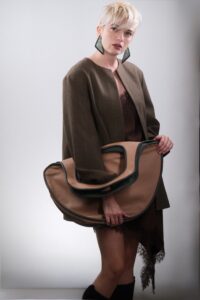
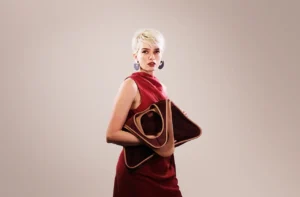
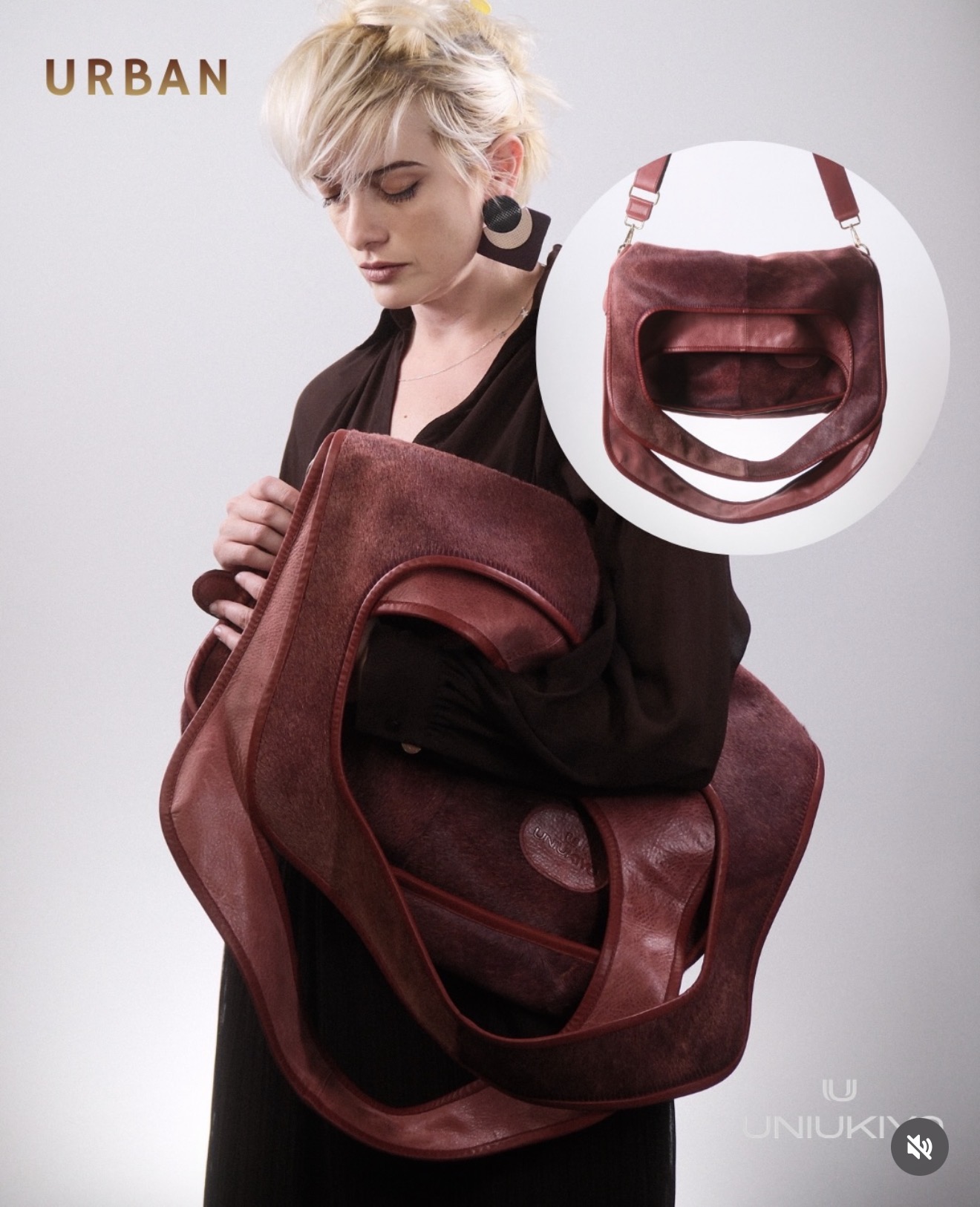
This is what I believe a UniUkiyo bag should do.
It should never disguise the person carrying it. Nor should it ask them to perform an identity that does not belong to them. Instead, it should recognize something that already exists within them and make it more visible.
The bag becomes a continuation of their personality.
For one person, that may be strength. For another, it may be softness, freedom, intelligence, sensuality, artistic instinct, or quiet confidence. Therefore, the same design can communicate something different through every person who carries it.
Sometimes we recognize ourselves in an object before we can explain why.
The Desire for Uniqueness Is Not About Being Better
People sometimes misunderstand the desire for something unusual as a need to feel superior. Yet individuality does not have to come from comparison.
Someone can choose a unique or limited-edition piece without believing it makes them more important than anyone else. They may simply feel more connected to objects that carry a distinct idea and show evidence of the human hand.
They may value knowing that the bag was not produced in enormous quantities. Perhaps they care that a designer personally developed the concept. They may also appreciate that an artisan spent days constructing it. Finally, they may enjoy owning a color, combination, or variation created specifically for them.
The pleasure comes from connection, not competition.
It is not: “I have something better than you.”
It is: “I have found something that feels like me.”
Sometimes Price Comes First Because We Have Been Trained That Way
Our culture constantly teaches us to compare prices. Discounts, instant offers, copied designs, fast production, and endless alternatives surround us. At the same time, marketing encourages us to make quick decisions. It often suggests that finding something similar for less is always the smarter choice.
Naturally, price becomes our first filter.
I understand that mindset because I have experienced it myself.
There was a time when I also looked at the number before fully considering the value. Over time, however, my perspective changed.
I began to ask different questions.
Will this object remain important to me? Will I use it repeatedly? Does it carry quality, knowledge, and intention? Does it make me feel something? Does it represent who I am—or the person I am becoming?
That shift did not mean price stopped mattering. It simply meant price was no longer the only thing that mattered.
Instead of automatically searching for the least expensive option, I began to consider what I was receiving. I also thought about how the object would live in my life.
Sometimes an inexpensive purchase is exactly what we need. At other times, one meaningful object brings more satisfaction than several things that never truly connect with us.
Value becomes clearer when we stop asking only, “How much is it?” and also ask, “What will this mean to me?”
Taste Evolves as We Become More Certain of Ourselves
Personal style does not arrive fully formed. Instead, it develops through experience.
At first, many of us choose what feels safe, familiar, approved, or easy to explain. We may look to trends, recognizable brands, friends, magazines, or social media for confirmation.
However, as we become more certain of ourselves, the need for external approval often becomes quieter. We begin to understand which colors make us feel powerful and which forms attract us. We notice which materials we enjoy touching. Most importantly, we discover which objects continue to speak to us after a trend has passed.
We become less interested in owning what everyone recognizes. Instead, we want to own what we recognize as our own.
That evolution is not only about money. It is about awareness.
Someone can spend a great deal on a logo and still feel no personal connection to it. Meanwhile, another person may save intentionally for an independent designer piece because they understand exactly why they want it.
The most meaningful choice is not always the most expensive one. It is the choice we make with the clearest sense of self.
Buying a Story Does Not Mean Buying an Illusion
When we say someone is “buying the story,” it can sound like the story is a marketing layer created to justify the price.
Sometimes it is. However, an authentic story does not appear after someone finishes the object. It already lives within the process.
It begins with the moment of inspiration. Then, it continues through the designer’s background, construction challenges, material selection, and the hands that make the piece. It also explains why the design took its final form.
The story does not replace quality.
It gives quality context.
A beautiful narrative cannot make a poorly constructed object valuable. However, when original design, strong materials, skilled craftsmanship, and genuine creative vision come together, the story becomes inseparable from the product.
You are not paying for a fictional idea.
You are recognizing the human reality behind the object.
An Investment Can Also Be Emotional
In fashion, the word “investment” often suggests that an object may retain or increase its financial value. Yet not every valuable investment needs to be resold.
Some objects return value through use, longevity, identity, and emotion. A bag can become connected to important days, professional achievements, journeys, relationships, and different periods of life. Each time we carry it, it can restore the feeling that first made us choose it.
It may remind us of our independence, creativity, or progress. Perhaps it represents the moment we decided that we no longer needed permission to express ourselves.
We cannot measure that emotional value like resale value. Nevertheless, it is real.
If a piece makes you feel more like yourself each time you wear it, then it continues to give something back.
Therefore, one person may see an expensive bag while another sees an object they can carry for years.
The difference is not only in the product.
It is in the relationship.
The Right Customer Does Not Need to Be Convinced—Only Informed
An independent designer cannot and should not try to convince everyone. Not every person values small-scale production, handmade construction, customization, or an unconventional silhouette. Likewise, not everyone wants a statement piece.
The purpose of explaining the work is not to pressure anyone into buying.
It is to make the value visible.
The right customer may still ask about the price. They may think carefully, wait, save, or decide whether the piece fits their life. However, once they understand what stands behind it, they will not compare it only with a mass-produced object that serves the same basic function.
They know they are considering something different.
If they see themselves in the design, the decision becomes about more than ownership.
It becomes recognition.
Some Buy What Is Known. Others Recognize What Is Theirs.
There will always be people who choose the familiar and people who feel drawn to the unexpected. Some begin with price, while others begin with emotion. One customer may choose a bag because it is practical. Another may want a recognizable name. A third may feel an immediate connection from the first glance.
None of these choices deserves judgment.
Still, we should not confuse them with one another.
A mass-produced bag, a globally recognized luxury bag, and a handmade independent designer piece can all carry belongings. However, that shared function does not make their meaning, production, or value identical.
At UniUkiyo, I do not design bags to be accepted by everyone.
I create them for people who feel drawn to originality, transformation, craftsmanship, and strong individual identity. They do not need their choices to look like everyone else’s choices. They understand that a bag can carry practical things while also carrying an idea.
A UniUkiyo bag is not created to give someone a personality.
It is created to recognize one.
Some people will see only the object.
Others will see the idea, the hands, the time, the individuality, and a reflection of something within themselves.
Some buy a bag.
Others buy what it means.